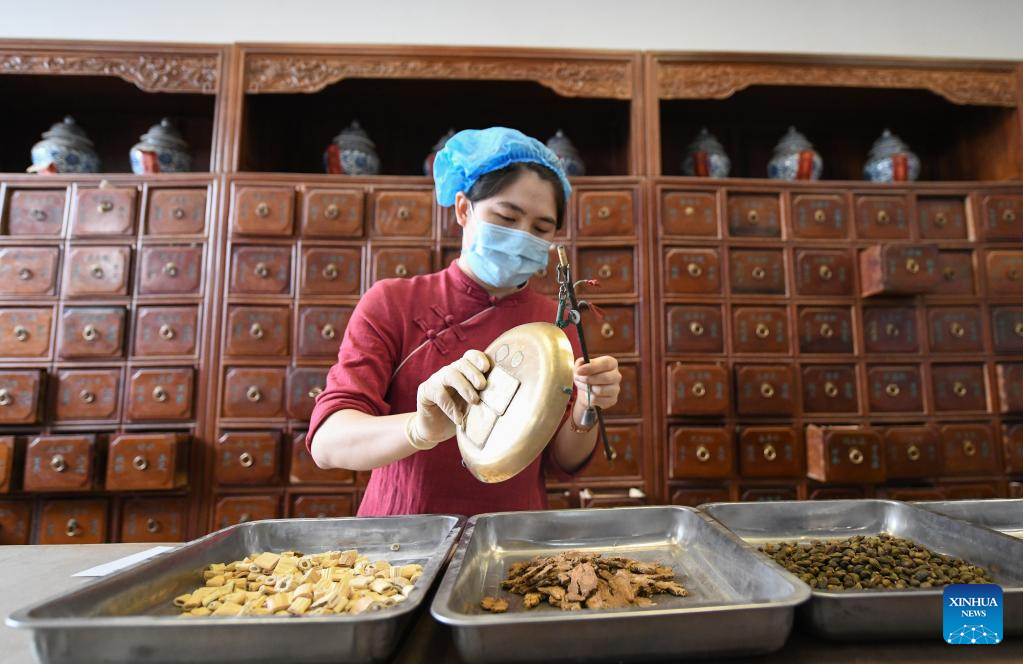
Traditional Chinese Medicine (TCM) Processing Techniques
Introduction
The processing of Traditional Chinese Medicine (TCM) refers to the traditional methods used to prepare raw medicinal materials into usable forms for clinical application. Guided by TCM theories, this practice enhances therapeutic efficacy, reduces toxicity, and improves storability. As a unique element of Chinese cultural heritage, TCM processing was inscribed in China’s National Intangible Cultural Heritage List in 2006.
Historical Background
The origins of TCM processing are deeply rooted in Chinese history, with legends attributing its beginnings to the mythical figure Shennong, the "Divine Farmer," who sampled herbs to understand their effects. Key developments in its history include:
Han Dynasty (206 BC-AD 220): The Shennong Bencao Jing and Zhang Zhongjing’s Treatise on Cold Damage Disorders provided early documentation of TCM processing methods.
Southern and Northern Dynasties (420–581): Lei Xiao’s Lei Gong Paozhi Lun recorded over 300 processing methods.
Tang Dynasty (618–907): Xinxiu Bencao, China’s first official pharmacopeia, included standardized processing techniques.
Ming Dynasty (1368–1644): Texts like Li Shizhen’s Bencao Gangmu and Miao Xiyong’s Paozhi Dafa codified 17 principal methods of processing.
Qing Dynasty (1644–1911): Zhang Rui’s Xiushi Zhinan described detailed techniques for over 230 types of herbs.
Methods and Techniques
TCM processing employs diverse techniques tailored to the specific characteristics of each herb and its intended use. Methods generally fall into the following categories:
Physical Processing: Cutting, crushing, or cleaning to improve drug preparation and storage.
Heat Processing: Roasting, stir-frying, or calcining to enhance efficacy or reduce toxicity.
Liquid Processing: Soaking or steaming herbs with liquids like wine, vinegar, or honey to modify their properties.
Special Techniques: Carbonizing for hemostatic properties, or combining with mineral substances for detoxification.
A core principle is that "raw and processed forms have different therapeutic effects," highlighting the nuanced role of processing in TCM treatment.
Cultural and Clinical Significance
TCM processing is considered a core element of Chinese medical tradition, integral to its diagnostic and therapeutic systems. The saying, “Decoction pieces are indispensable for clinical application,” reflects its critical role in ensuring the safe and effective use of herbs.
Processing techniques not only preserve the medicinal integrity of herbs but also embody centuries of accumulated wisdom and cultural practices. For example, roasted aconite reduces toxicity, while wine-processing herbs such as Danggui enhance circulation. Photo Gallery(3 pictures)CategoriesCultural HeritageTagIntangible Cultural HeritageHealth and WellnessCatalogue1. Introduction2. Historical Background3. Methods and Techniques4. Cultural and Clinical Significance- - - []
来源: Culturepedia - Traditional Chinese Medicine (TCM) Processing Techniques








